
Give your products the finishing touch with our specialized surface treatment! Achieve outstanding quality and durability for your workpieces with our expert surface treatments!
Why choose our surface treatments?
Choose Novatron Pro for your surface treatments and experience how our expertise elevates your products to a new level of quality.
Aviation, Railway traffic, Food, Foil, Automotive, Battery, Measurement technology, Textile, Paper, Hygiene, Graphic, Medicine, Lighting, Chemical
Our surface treatment service is tailored to meet the unique requirements of each project. By utilizing the latest techniques and technologies, we ensure top-quality results and long-lasting durability. No matter how specific your needs are, our team of experts will always find the optimal solution.
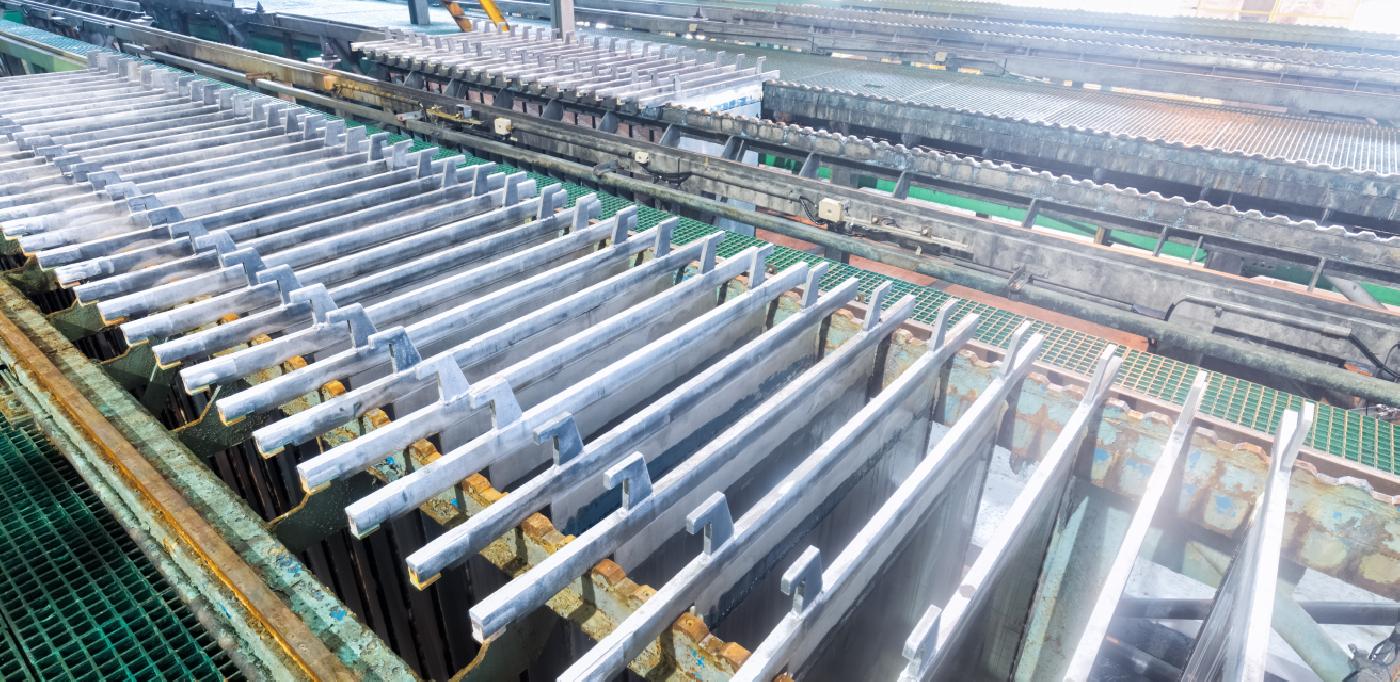
Galvanic zinc coating provides protection against corrosion by applying a layer of zinc to the metal. This method extends the product's lifespan and ensures high wear resistance.
Browning is an oxidation process that creates a protective brown-toned layer on metal. It is primarily used for aesthetic and decorative purposes while providing some corrosion protection.
Nitriding is a surface treatment process in which nitrogen is introduced to the metal, increasing its hardness and wear resistance. This method is commonly used to enhance the durability of steel components.
Gas nitrocarburizing is a heat treatment process that enriches the surface of metals with nitrogen and carbon, enhancing wear and corrosion resistance. This method is particularly effective in improving the durability of steel components.
Wet painting is the process of applying a liquid layer of paint to metal surfaces for protection and aesthetic purposes. This method allows for customized colors and finishes based on specific requirements.
Powder coating is a process of applying a dry powder layer to metal surfaces, which is then cured through heat. This method provides high resistance to wear, corrosion, and impacts, and offers various finish options.
Anodizing is an electrochemical process that enhances the corrosion and wear resistance of aluminum surfaces by creating a protective oxide layer. It also allows for aesthetic finishing through various colors.
Pickling is a chemical process used to remove impurities, oxides, and scale from metal surfaces, typically stainless steel. This procedure ensures a clean and smooth surface before further processing.
Passivation is a process that creates a protective oxide layer on metal surfaces, typically stainless steel, to enhance corrosion resistance. This method extends the lifespan and improves resistance to external conditions.
Sandblasting is a surface treatment method where abrasive material is applied under high pressure to clean metal surfaces, removing impurities, rust, and old paint. This technique ensures a clean and rough surface ideal for further processing.
Glass bead blasting uses abrasive glass beads to gently clean and polish metal surfaces without damaging the material. This technique is ideal for achieving a smooth and shiny finish.
Trowalizing is a mass finishing process that uses vibratory or rotary tumblers to polish or deburr metal parts. This method is effective for processing large quantities of small components.
Grinding is a machining process where abrasive tools are used to remove surface irregularities from metal, achieving a precise finish. This method allows for high accuracy and surface smoothness.
Hardening is a heat treatment process that increases the hardness of metals, typically steel, by heating and rapidly cooling them. This process improves wear resistance and enhances the durability of components.
Chroming is an electroplating process that applies a thin layer of chrome to metal surfaces to enhance corrosion resistance and achieve a shiny, reflective finish. This method is commonly used for both aesthetic and protective purposes.
Nickel plating is a process of applying a layer of nickel to metal surfaces to enhance corrosion and wear resistance. This method provides protection and improves the aesthetic appearance of parts.
Phosphating is a chemical process that creates a protective phosphate layer on metal surfaces to improve corrosion resistance and prepare the surface for further coating or painting. This method also enhances coating adhesion.
Copper plating is an electroplating process that applies a layer of copper to metal surfaces to enhance conductivity, corrosion resistance, and aesthetic appeal. This method is often used as a base layer for further coatings.
Brass plating is the process of applying a layer of brass to metal surfaces to enhance corrosion resistance and achieve a golden aesthetic appearance. This method is commonly used for decorative and protective purposes.
Cathodic painting is an electrostatic coating process that ensures uniform and thorough coverage of metal surfaces, providing high corrosion resistance. This method is used for precise protection of complex shapes.
Silver plating is the process of applying a layer of silver to metal surfaces to enhance conductivity and achieve an aesthetic shine. This method is commonly used for electrical components and decorative purposes.


We seek long-term partnerships. Find out how we can grow together.
Contact us

